
Photo: Amy Rankine
Join us in this playful workshop as we design and assemble a light lunch dish that aims to communicate the taste of Edinburgh.
Participants will forage, design and create a vessel/plate made from natural materials to complement their light lunch dish, which will be assembled from a collection of local foods.
Tasting Place
The French term ‘terroir’ can be described as a ‘taste of place’ (Parker 2015), with place referring to the ecology of an area, be it environmental and cultural that help constitute a place of “shared custom and affective belonging” (Trubek 2008, p1, in Paxon 2010).
Food designers, chefs and restaurateurs have long incorporated bespoke product designs into their multisensory experiences to convey a sense of place; to trigger nostalgia; or to enhance or change taste perception using crossmodal correspondences. In this workshop we will explore how best to enhance our selected ingredients using natural materials in our designs.
Booking will be available shortly.
Some Inspiration: images of tableware using natural materials to emulate place:
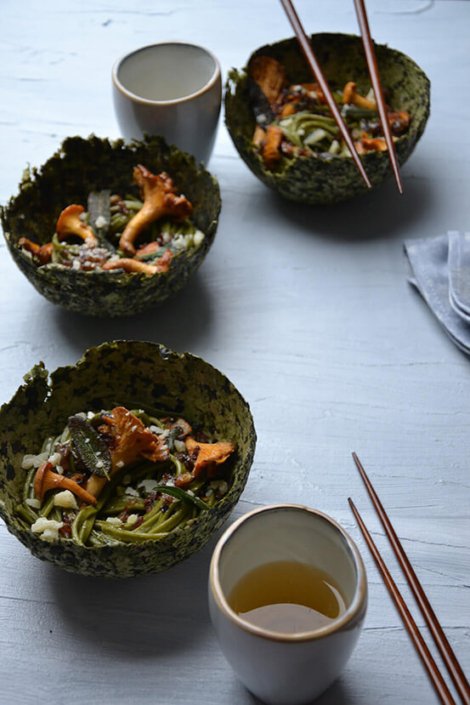
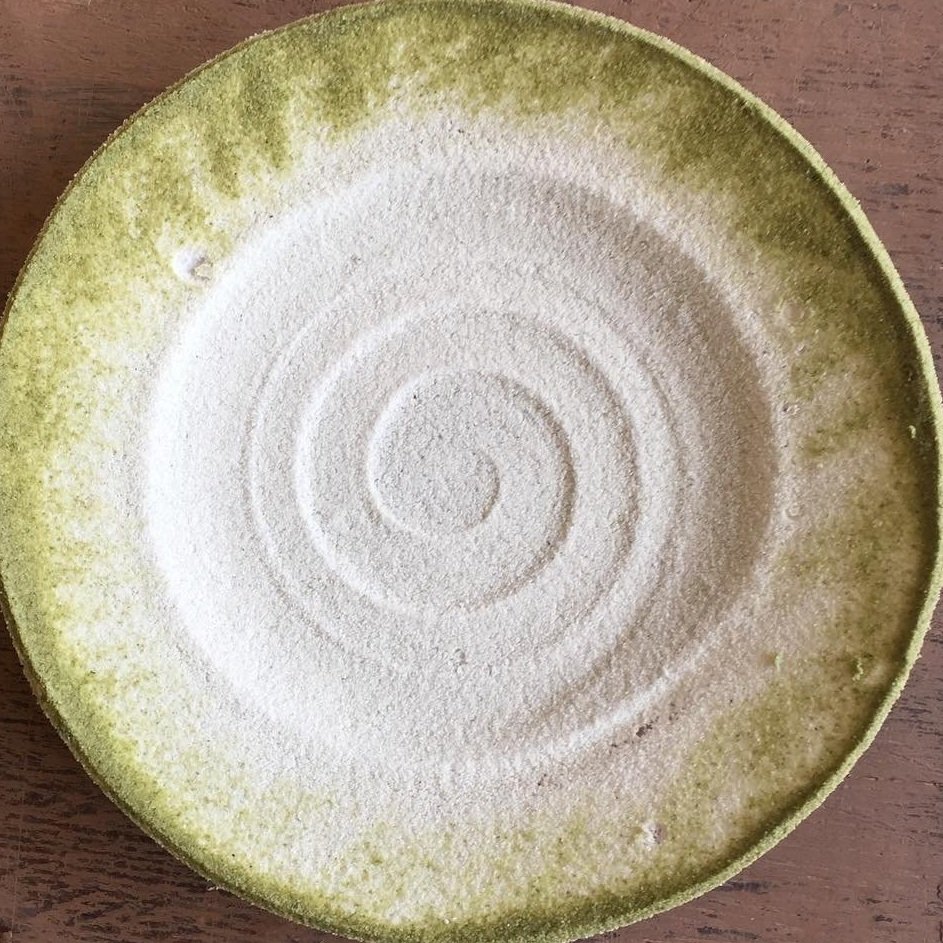
Seadish made by Amber Josephine van Dillen from seaweed
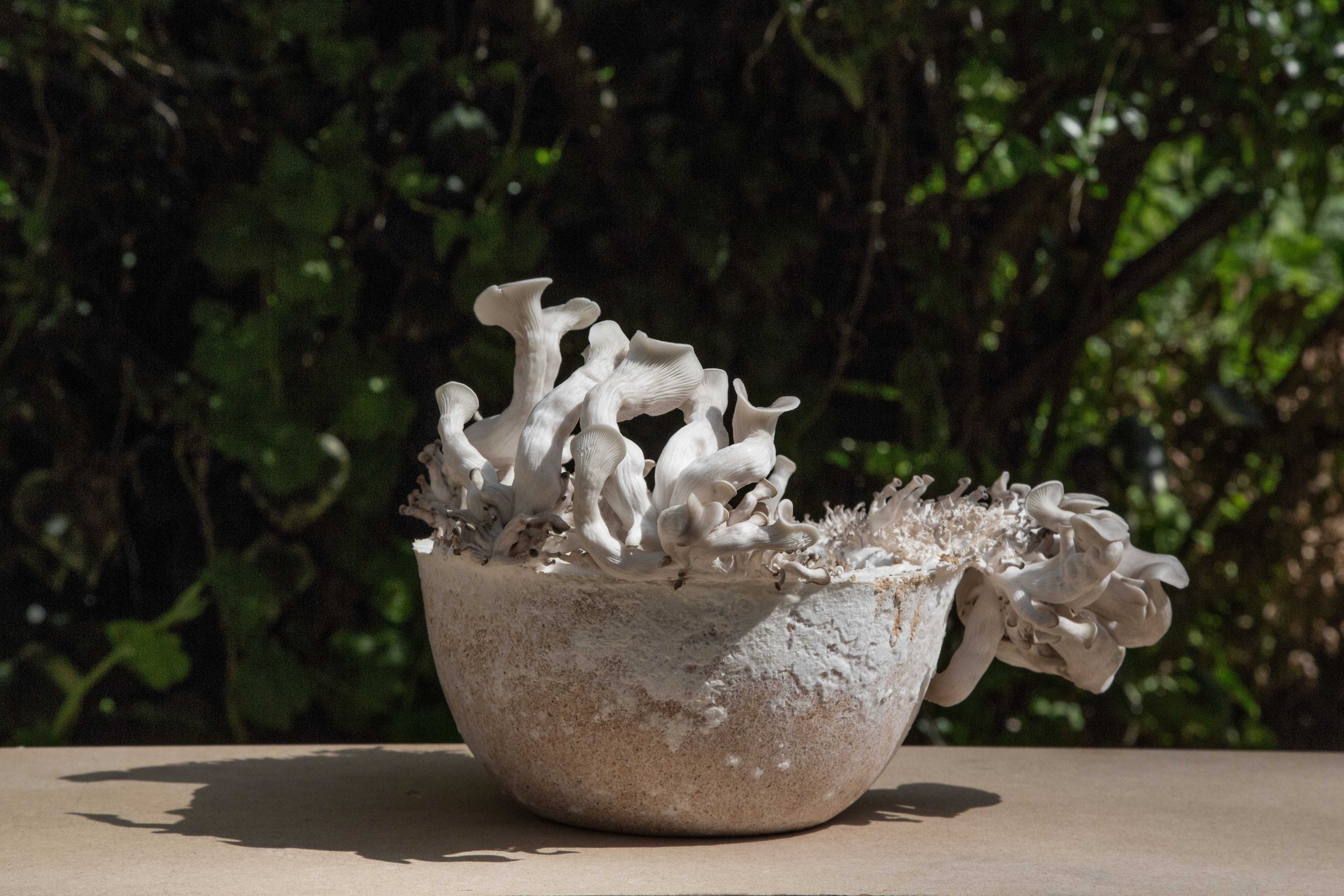
Mycelium and cornstarch/PLA bowl by Growing Lab
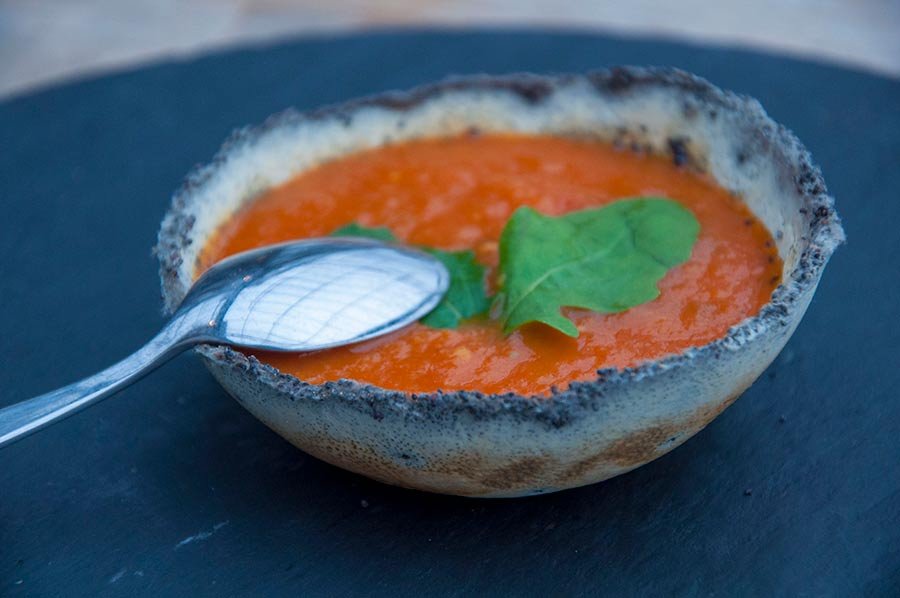
Tempeh Bowl by Karenina van den Crommenacker & Nicolas Rotta for Mediamatic
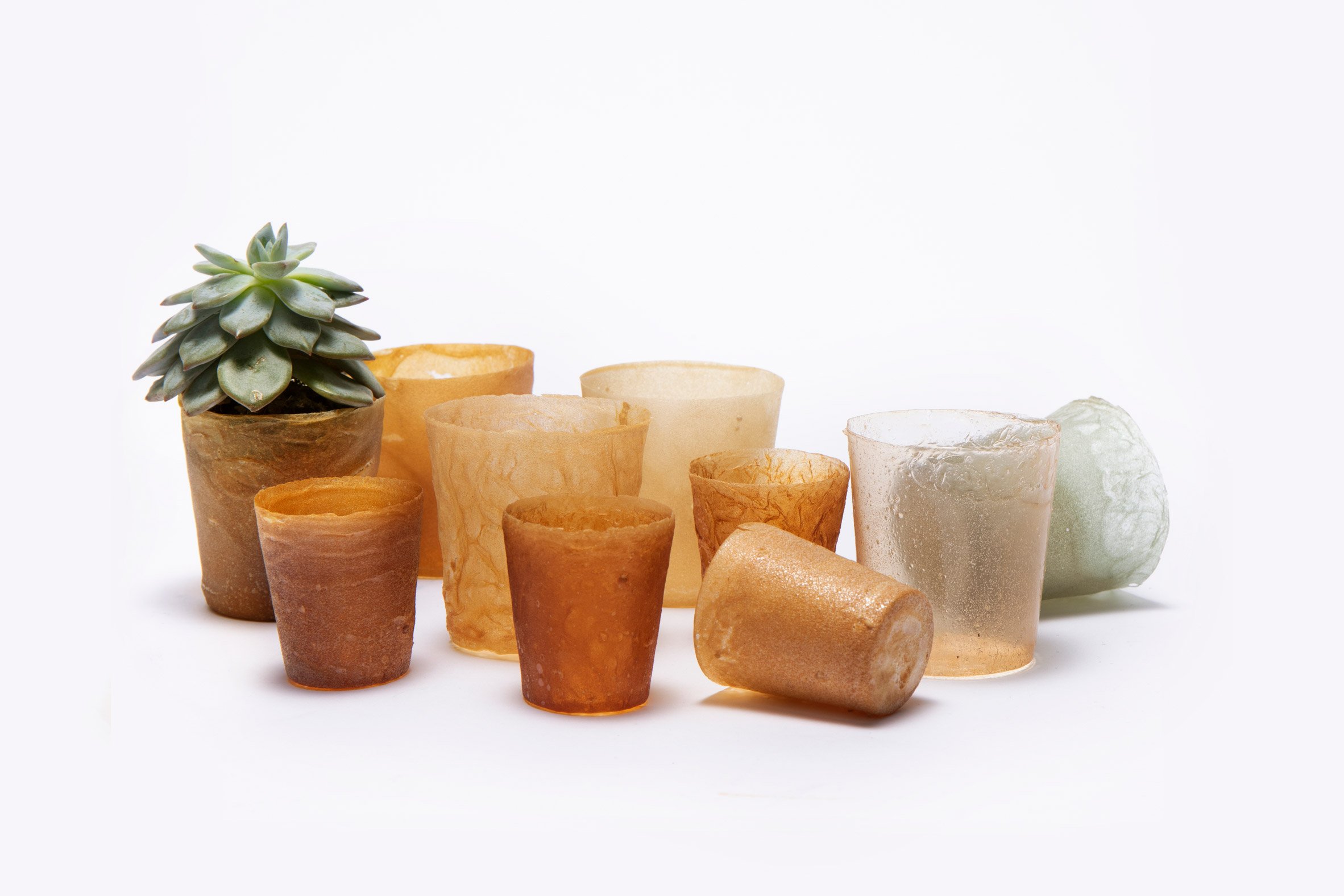
Shellworks ceramics made from lobster shell known as chitin or chitosan
Douglas McMaster’s zero waste restaurant, ‘Silo’ repurposes materials used within the kitchens and distribution chain to create tableware products that are then used within the restaurant. This could be seen as a contemporary example of reverse-engineering an urban terroir (Paxson 2010).
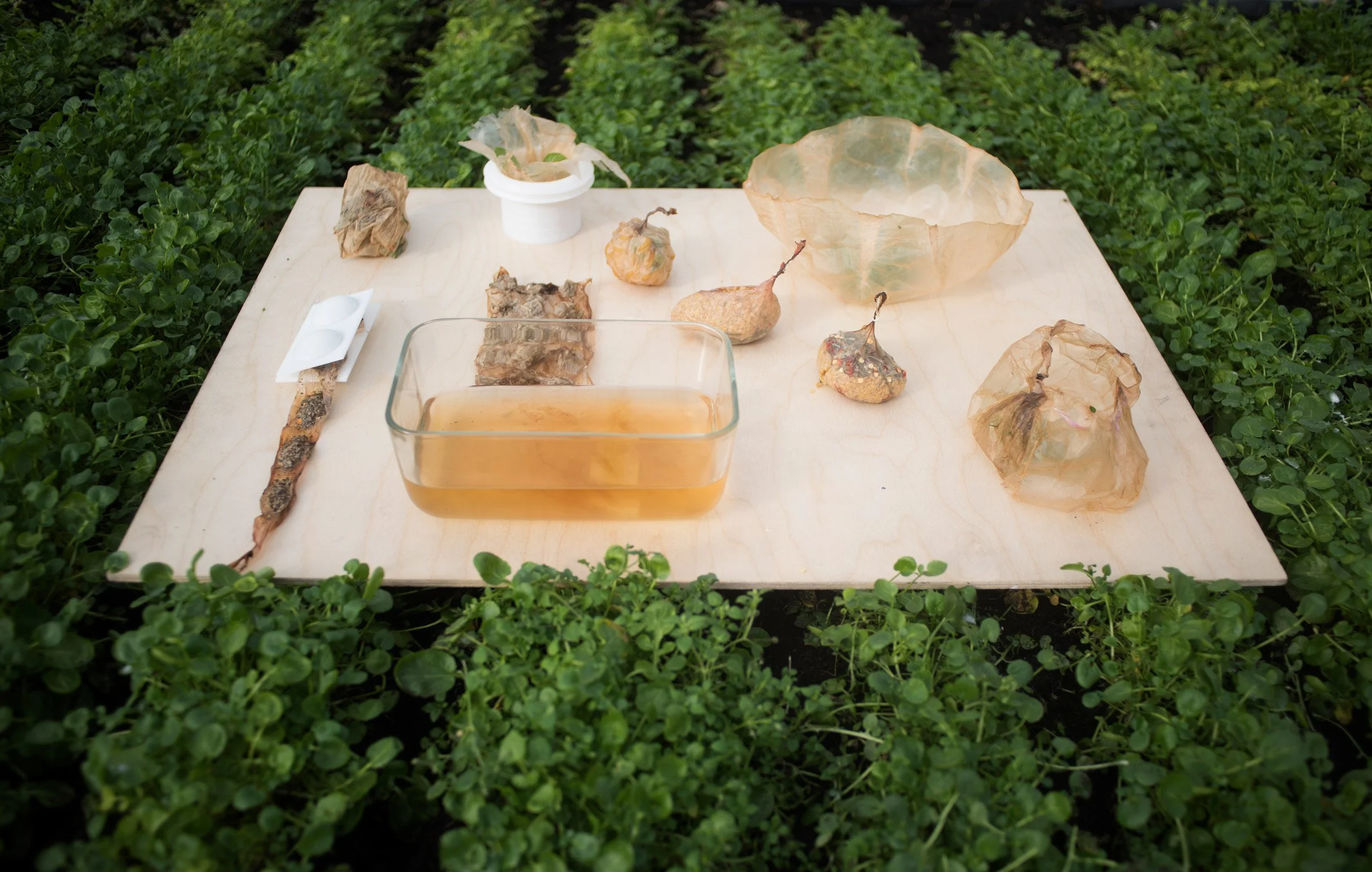
Roza Janusch’s kombucha scoby vessels
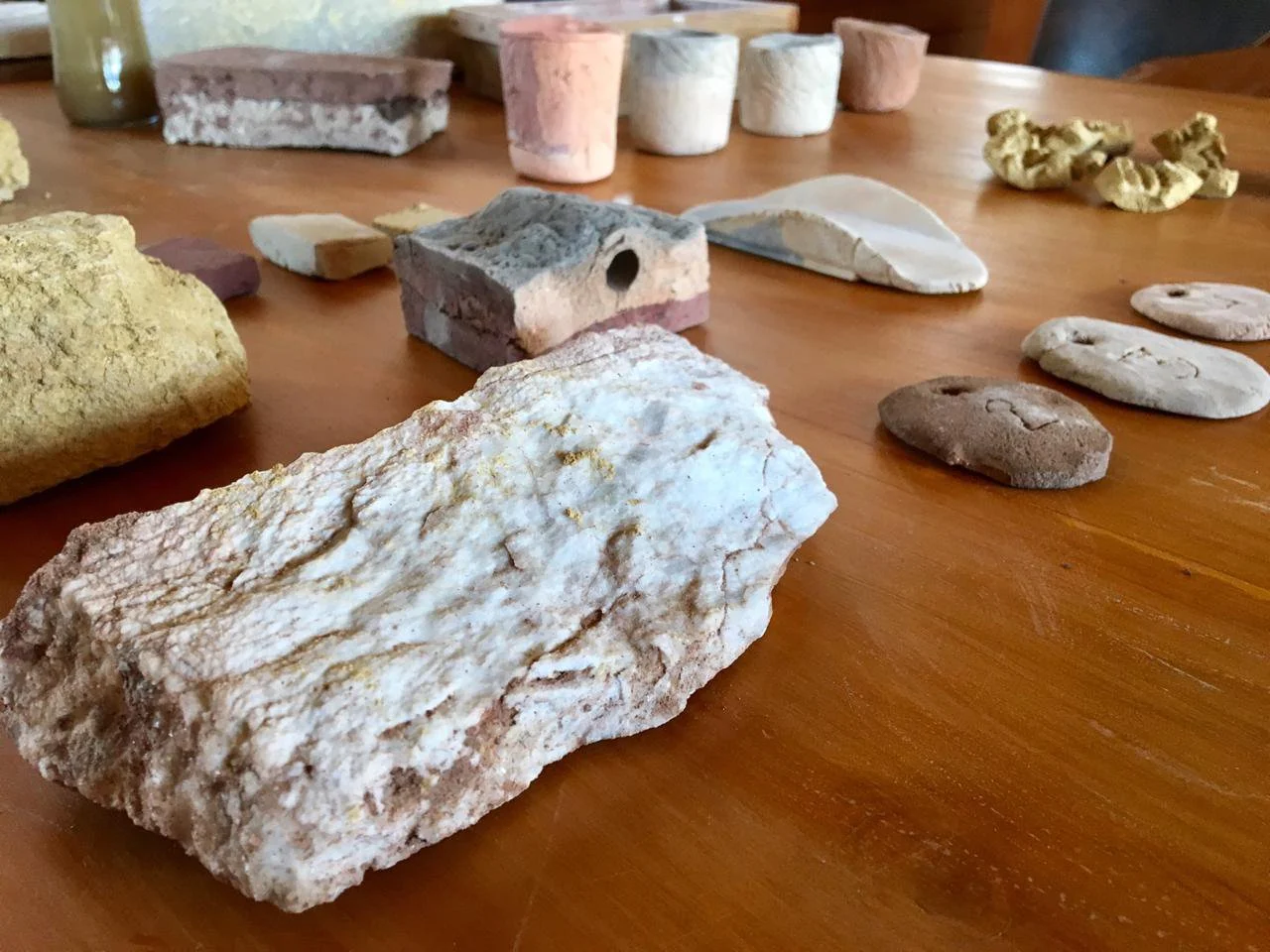
Cindy Valdez’s research of local clays in Moray, Peru for Mater
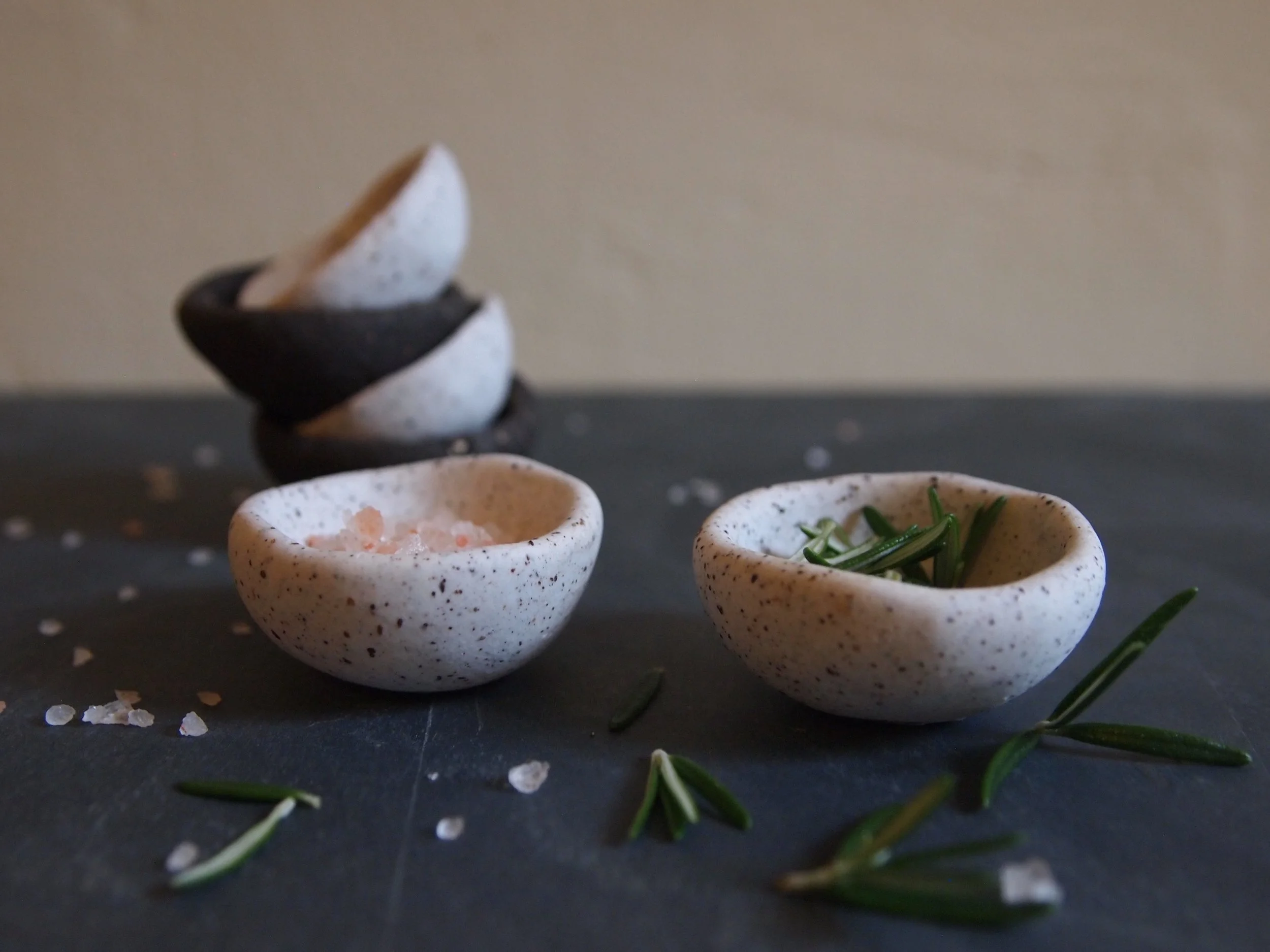
Sarah Jerath pinch pots ceramics with clay made with local grits incorporated; a reminder of the earth of journey of the past artisan.